
Many buyers struggle to choose between welded SAE flanges and split SAE flanges. Both comply with the SAE J518 standard for hydraulic flanges, yet they differ greatly in manufacturing process, maximum pressure rating and assembly & maintenance costs. An improper selection will lead to higher construction and maintenance expenses. This article makes a comprehensive comparison between these two mainstream types of SAE flanges.
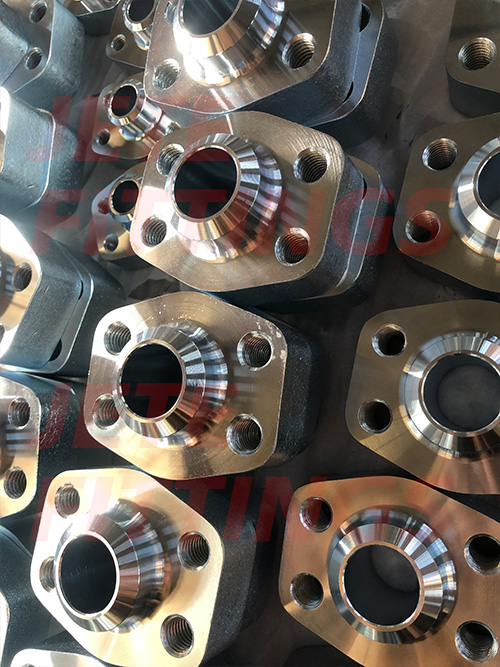
1. Differences in Manufacturing Process
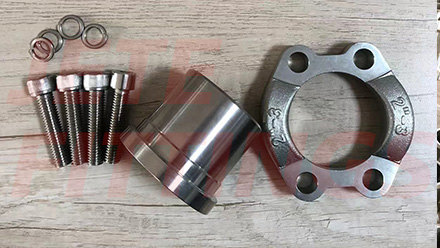
Split SAE Flanges: Consist of two half-flange segments. The steel pipe is clamped firmly between the two halves without on-site welding, delivering much higher assembly efficiency.
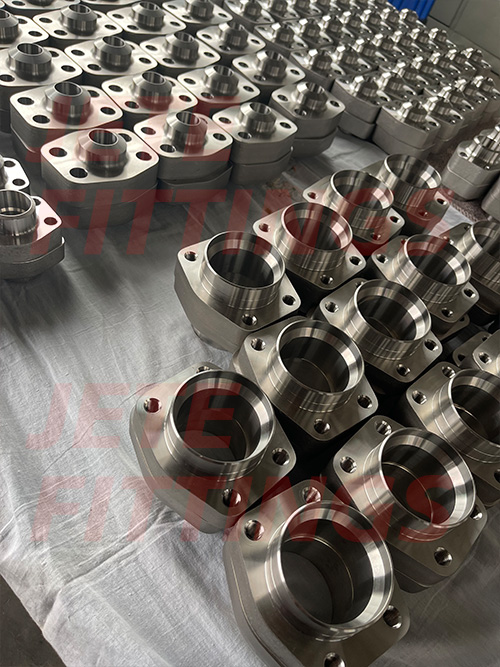
2. Pressure Resistance and Vibration Resistance
Split flanges fasten pipes via bolt clamping. They perform reliably under static medium and low pressure conditions, but are prone to failures in heavy-load environments with long-term high-frequency vibration.
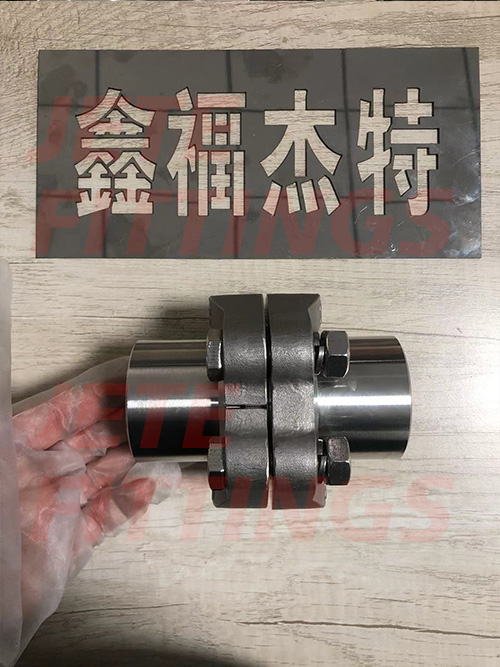
3. Disassembly, Assembly and After-sales Maintenance Costs
For welded flanges, weld seams have to be cut off during inspection and repair, which causes pipe material loss and raises overall maintenance expenditure.
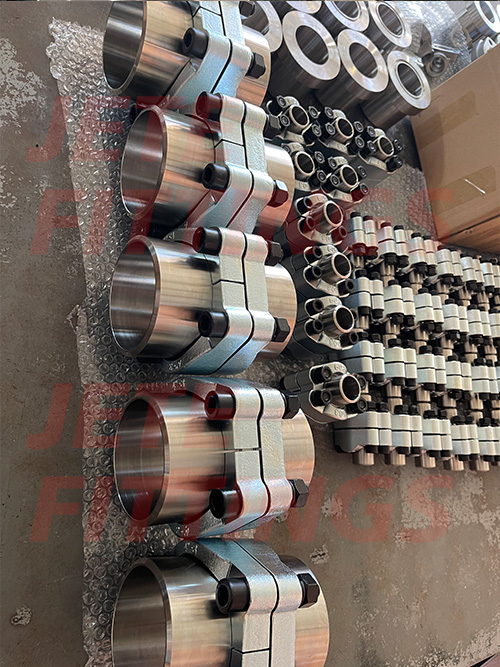
4. Application Scenarios
Welded SAE Flanges: Ideal for main hydraulic lines, fixed pipelines in marine engineering, and large-scale metallurgical pump stations.
Split SAE Flanges: Suitable for branch hydraulic lines of construction machinery and small & medium-sized hydraulic equipment requiring frequent refitting.
Summary
Post time: Jun-08-2026